
Disenfranchisement
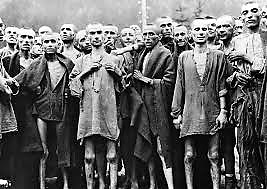
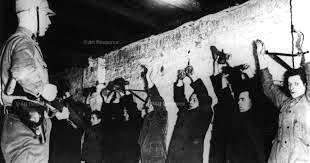
The disenfranchisement of Jews in Nazi Germany was a systematic, state-sponsored process that, through over 400 decrees and regulations, transformed them from citizens with equal rights into persecuted outcasts, laying the groundwork for the Holocaust.
This process occurred in stages between 1933 and 1939:
Phase 1: Exclusion from Public Life (1933–1934)
The initial wave of legislation aimed to limit Jewish participation in German society. Key measures included:
Civil Service Purge: The "Law for the Restoration of the Professional Civil Service" (April 1933) excluded Jewish and "politically unreliable" individuals from state service, effectively firing Jewish teachers, judges, and government workers.
Professional Bans: Legislation sharply curtailed Jewish activity in legal and medical professions. Jewish lawyers were forbidden from the bar, and doctors were restricted from treating non-Jewish patients.
Educational Quotas: The number of Jewish students in public schools and universities was strictly limited.
Loss of Citizenship (Initial): The Denaturalization Law of July 1933 revoked the citizenship of naturalized Jews and "undesirables".
Phase 2: Institutionalized Racism – The Nuremberg Laws (1935–1936)
The passage of the Nuremberg Laws in September 1935 marked a radical escalation, institutionalizing racial theories and providing the legal framework for systematic persecution.
Reich Citizenship Law: This law stripped Jews of their German citizenship, reducing them to "state subjects" without full political rights (such as the right to vote or hold public office).
Law for the Protection of German Blood and German Honor: This law prohibited marriages and sexual relations between Jews and people of "German or related blood" (labeled "race defilement"), and forbade Jews from employing German women under the age of 45 in their households.
Defining "Jew": Subsequent decrees defined anyone with three or four Jewish grandparents as legally Jewish, regardless of religious beliefs or whether they had converted to Christianity.
Phase 3: Economic and Social Isolation (1937–1939)
The final pre-war period focused on impoverishing Jews and removing them entirely from German life, especially following the Kristallnacht pogrom in November 1938.
"Aryanization": Jewish-owned businesses, property, and assets were systematically seized and transferred to non-Jewish Germans at artificially low prices, a process known as "Aryanization".
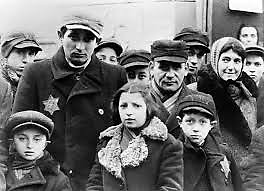
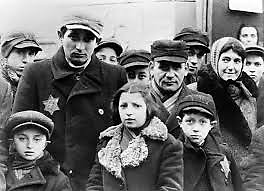
Forced Identification: Jews were required to add the middle names "Israel" (men) and "Sara" (women) to their documents and had their passports stamped with a red "J". In public, they were forced to wear the yellow Star of David badge from September 1941.
Public Bans: Jews were barred from public spaces, including cinemas, theaters, sports facilities, and designated "Aryan" zones in cities.
Curfews and Mobility Restrictions: Their freedom of movement was restricted, and they were banned from owning cars, using public transportation, or using public phones.
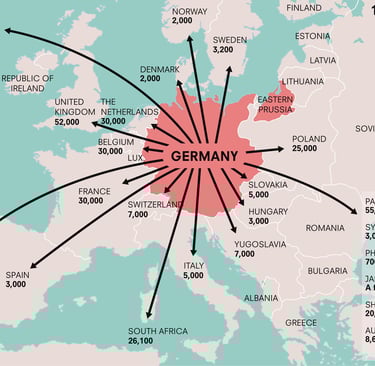
This comprehensive legal and social persecution led to the emigration of over half of Germany's Jewish population before the war began, while those who remained faced escalating terror that paved the way for deportation and mass murder in the Holocaust. More details on this legislation can be found in the Holocaust Encyclopedia.
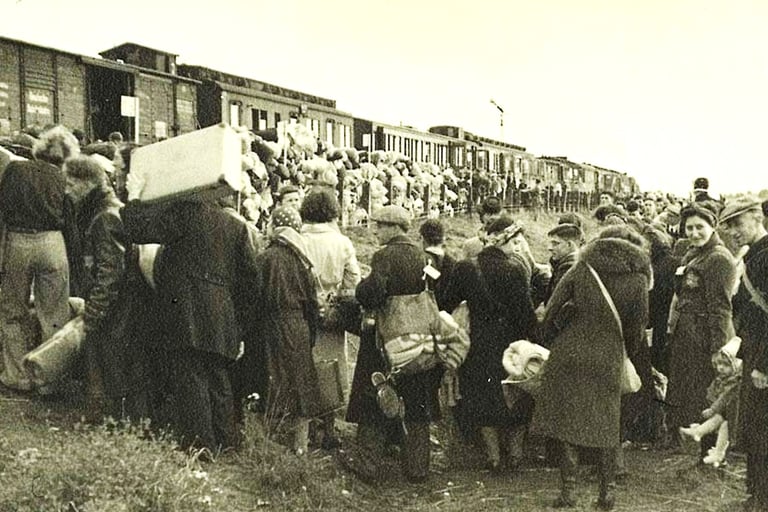
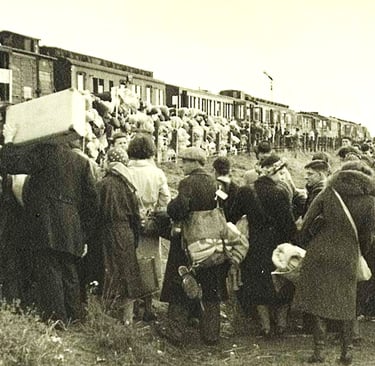
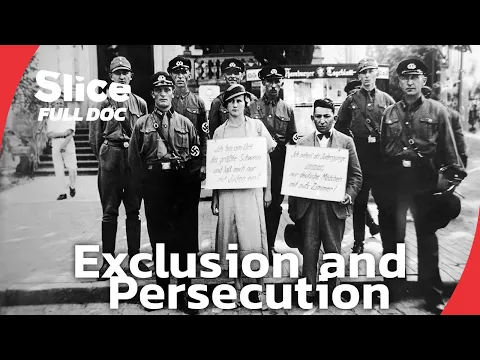
Targeted Individuals are being disenfranchised according to Agenda 21, 30, 50. Their businesses are sabotaged, they can't live peacefully in their own homes.
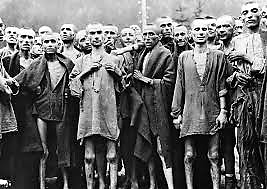
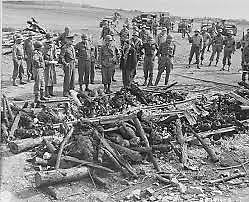

Targeted Individuals are being brazenly killed.
Targeted Individuals have no escape, its torture for life.
Targeted Individuals are at the mercy of their torturers.
Targeted Individuals lose everything, jobs, home, families.
Targeted Individuals are driven from their homes.
Targeted Individuals are separated from society, excluded.
Targeted Individuals are persecuted by the governments.



Join us in advocating against the misuse of technology.
contact@targetedhumans.org
© 2025. All rights reserved.
Targeted Humans Inc.